
July 2nd from District of West Van
BTY Class D Cost Management Report
Boathouse estimates spreadsheet prepared by West Van -
$5,740,025
June 30th Class D estimate from District of West Van and Cost consultant
Base Building upgrades: $1,128,364
HSBRIS interior improvements: $4,611,661
Based on the floor plan from December 2025 and assumptions of $564 square foot
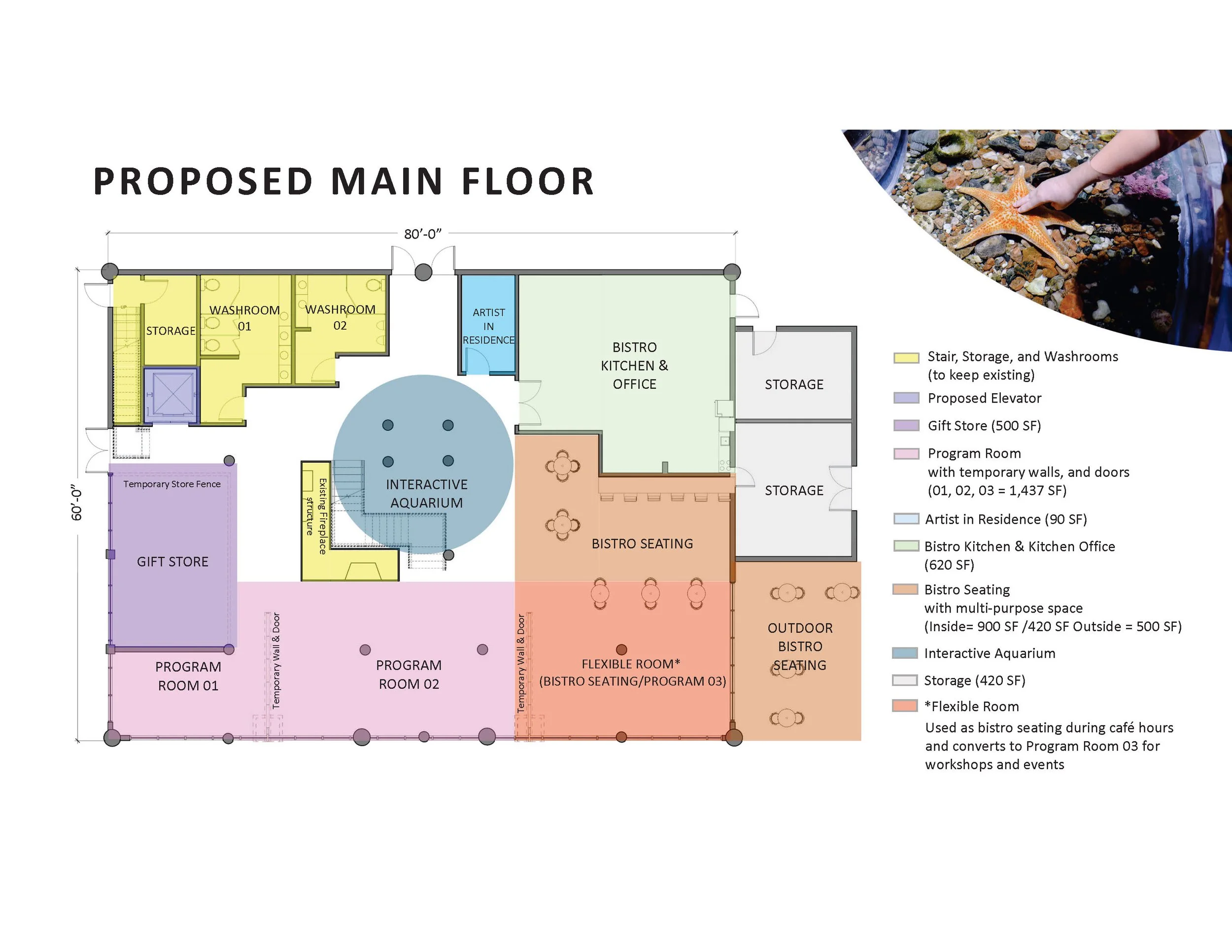
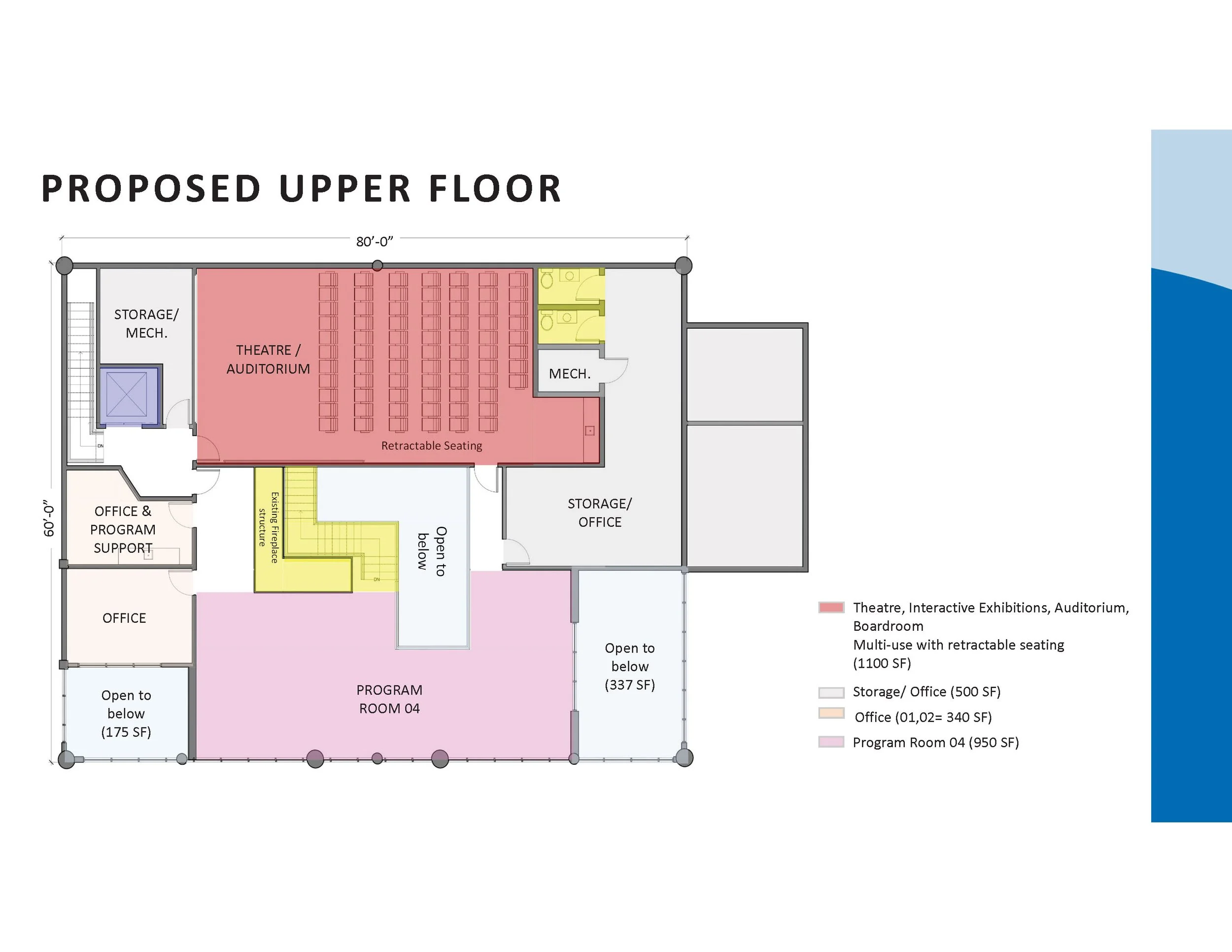
Definitions of the stages of the project:
-
In BC construction, a Class D estimate is a preliminary, conceptual-stage cost approximation. Created before detailed designs exist, it uses a project's space requirements and historical data to provide a "rough order of magnitude" budget. It typically carries a variance/accuracy range of \(\pm 20\%\) to \(\pm 30\%\). [1, 2, 3, 4, 5]
Purpose and Function
Feasibility & Funding: It helps owners and developers determine if a project concept is financially feasible and establishes a baseline for initial funding requests. [1, 2]
Option Comparison: It is often used to rank different conceptual design options against each other before moving forward with formal planning. [1, 2]
General Scope: It is usually calculated via global square foot metrics rather than a trade-by-trade cost breakdown. [1]
What is Included
At this early stage, many specific details are unknown. A Class D budget typically relies on assumptions rather than final blueprints. It generally features: [1, 2]
Gross Floor Area and preliminary architectural massing/sketches.
Historical cost data from similar building types.
A Design Allowance/Contingency (usually up to 20%) to account for missing details and future specification changes.
Site conditions (e.g., standard flat, unobstructed lot vs. difficult terrain). [1, 3, 5]
-
In British Columbia, a Class C building project typically refers to a Class C Construction Cost Estimate. It is an early-stage, schematic-level budget estimate prepared by a quantity surveyor or cost estimator, usually with an accuracy range of ± 15% to ± 40%. [1, 2, 3, 4, 5]
The construction budgeting and project development process in BC involves a structured progression of estimate classes to manage and control costs: [1, 2]
1. Class C Estimate Breakdown
Phase: Prepared during the Schematic Design or Indicative Design stage. [1, 2]
Key Inputs: Based on general floor plans, preliminary site analysis, and primary construction materials. It captures major identifiable elemental costs rather than detailed product numbers. [1, 2, 3, 4, 5]
Contingency: Includes a relatively large design contingency (allowance for changes in scope and unknowns). [1]
Purpose: Used to secure initial funding approvals, test a functional program against a budget, and decide whether to move forward with detailed design work.
-
In the British Columbia construction industry, a Class B estimate is a substantive, detailed design-stage cost estimate. Prepared during the Design Development phase, it bridges the gap between early conceptual drawings and final construction documents. [1, 2, 3]
What a Class B Estimate Includes
Advanced Design Drawings: Based on fully developed architectural, structural, mechanical, and electrical plans.
Outline Specifications: Clear details on materials, finishes, and specific equipment.
Measured Quantities: Calculated using detailed elemental cost analysis rather than rough square-footage pricing.
Site Requirements: Includes projected costs for site grading, civil works, and utility connections.
Contingency: Typically includes an ≈ 10% - 15% design allowance to account for minor revisions before final blueprints are finished. [1, 2, 3, 4, 5]
Project Approval: It is the standard baseline used by developers, municipalities, and the BC government to secure final project approval and establish a realistic budget objective. [1]
Funding Approval: It provides the necessary financial data to finalize funding strategies, business cases, and grants. [1, 2]
Value Engineering: Because costs are clearly outlined by building element, it allows teams to make design modifications or find cost savings without compromising the project's overall functional goal. [1, 2]
-
In British Columbia, "Class A" most commonly refers to the final, pre-tender construction cost estimate. Prepared using completed construction drawings and specifications, it is highly accurate ( ± 5% design allowance) and serves to reconcile and negotiate contractor tenders.